Sunday, November 2, 2008

Debate at Kaiser High School

All in all it was a fun day. Three teams went: Eric and Lawrence; Geneca and Cory; and Tim and Sam. We each did 4 rounds during the debate. The topics were:
  • This house believes that the election process is broken.
  • This house believes that the will of the people is irrelevent.
  • This house believes that the redistribution of wealth is unjust.
  • This house believes that increasing domestic oil is sound energy policy.

Everyone had a fun time and we all learned a lot. Sam made Geneca and Lawrence sing the chorus from "Lean On Me", while they have enacted a promise for a rap recital at some later date. Tim, Cory and Eric all moarned about the formal wear.

Pictures will come later - my computer is currently in a bad mood.

Flow

Flow is the way you distill the other side's arguement or speeches to specific points that you can counter. If you can't figure out what they said, how can you possibly tell them that they are wrong?

[insert picture of flow that is on a disc that my computer is not recognizing]
[again.]
The picture that you are not seeing is of a page in a notebook. It is divided vertically into six sections (one for each debate).
Listen closely - generally people will state their contentions in their introduction. If not, try to find their main points - don't just write their examples down. It also helps if you abbreviate words. The less time spent actually writing things down, the more time can be spent listening and formulating your own arguments.
If two people address the same argument, connect the two sections with an arrow. If someone forgets to argue a point, draw an x or an arrow to note that they dropped the argument.

Wednesday, October 22, 2008

Announcement - finally

I apoligize for my lack of updates. This problem is currently verging on semi-ridiculous.

We are planning to attend a debate on November 1. Each person needs to choose a partner and be comfortable with working with them. In addition, we will have three more practices until D-Day- one on the next two Thursdays(6-7:30) and one on Saturday(1-3).

Next post: the flow

Saturday, October 11, 2008

Homecoming


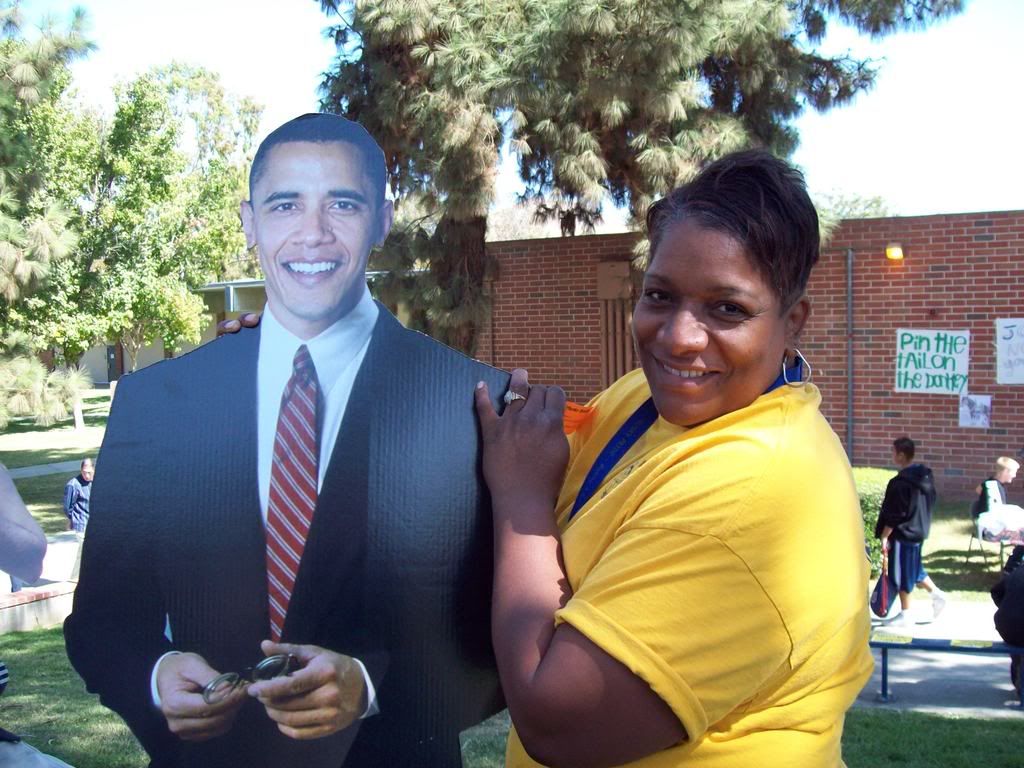
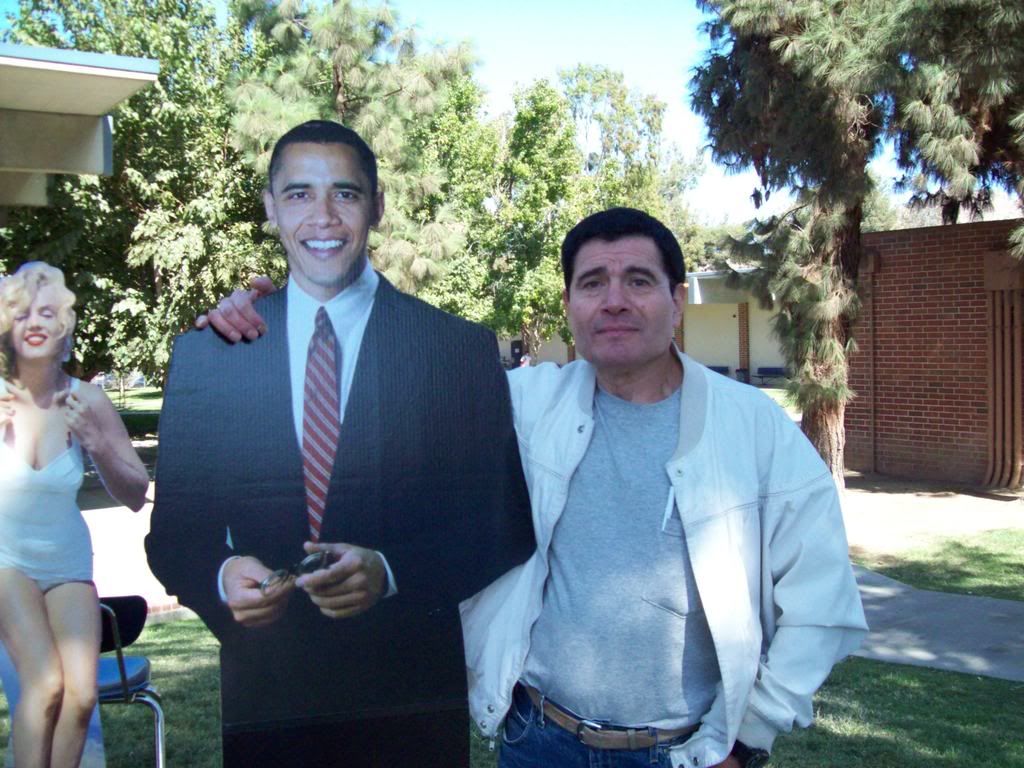
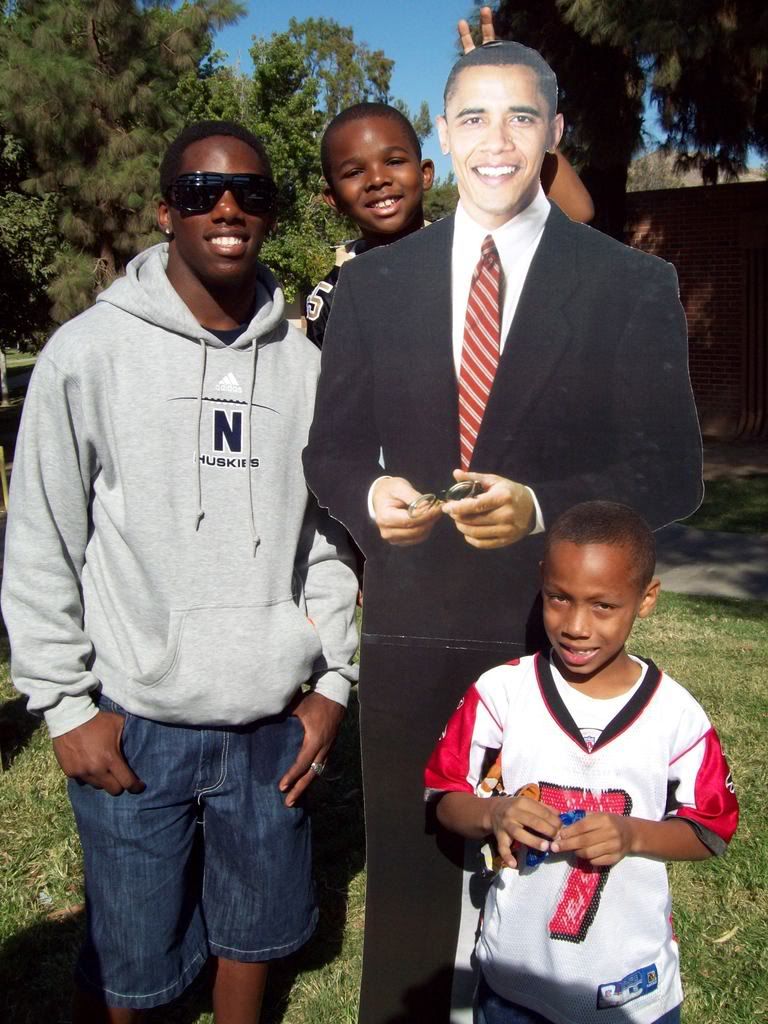
Homecoming was a mixed success; we raised 17 dollars for Debate in total and had four cardboard celebrities and various props. However, someone ran off with Obama.


<-- Some of the people that showed up.


Barack seemed to be the most popular of the personas. I'm not quite sure why he has glasses in his hands.


All in all it was pretty fun.


Newswise:
  • Thursdays (5:30-6:30) and Saturdays (1-3pm) might be our new afterschool debate times. This will be discussed on Tuesday.
  • Our first debate is coming soon (in November). Start thinking about who you would like your partner to be. Who has a personality that works with yours?
  • In December we are planning on focusing on our individual events. If you are not sure what this means, scroll down to the 2nd to the last post. We are going to be practicing the speeches/excerpts/etc. in front of classes the last few days before Winter Break (tentatively).

Tuesday, September 30, 2008

Reminders

We have a quick parent meeting tomorrow after Back to School Night ends.

We have two afterschool meetings next week: Tuesday from 5:30-6:30 and Wednesday from 6:00-7:00.

And Tuesday at lunch we have the weekly touch-up meeting.

----
All of these will be meeting in room 710.

Debate format

A debate consists of two teams of two. One argues for a measure and one against. They each try to convince the judge that they are correct in the allotted time (as follows).

  • Both sides receive twenty minutes to prepare.
  • The first speaker from the team for the measure (called the affirmative or aff) speaks for seven minutes.
  • The first speaker from the team against the measure (called the neg) speaks for seven minutes.
  • The second aff speaker speaks for seven minutes.
  • The second neg speaks for seven minutes.
  • The first neg does a five minute summary of their case.
  • The first aff does a five minute summary of their case.

Wednesday, September 24, 2008

The general format of a speech

The speech is supposed to look like this:

1) Introduction - announce what you are going to say. This should be simple (ex. I believe that ___ is good/bad. This is because it ____, ______, and ______. )

2) Body - This consists of the three reasons that were listed in the introduction. These three topics should each be vague reasons why your position is right. Under that, you should have three details/bullet points to explain your reason.

3) Conclusion - round up your speech with some sort of summation. (Alliteration is not necessary.) Re iterate your main points and remind the judge why you are right.

Remember:
  • In format, a debate speech is almost like a persuasive essay for English class. It has an intro, 3 reasons supported by specific facts or details, and a conclusion.
  • Speak to the judge. This person is the only person who is going to have an effect on your score.
  • This outline is essentially universal. The only difference in the preparation for different events is the amount of time you actually have to prepare it.

Wednesday, September 17, 2008

New Officers and an Explanation of Individual Events

Congratulations to our new officers:
Geneca Cobb - Secretary
Garrett Tom - Treasurer
Quentin Burns and Cory Scott - Co-publicity

Also, here is the list of individual events (this is the speech side of the club). They come in two groups - each person can enter once in each group. If you desire more informationon any one topic, go to this website. It has a popup that comes up, but is very informative. Examples of each can be found on youtube.com.

Group A
United States extemporary - you are given a US-only current event topic to speak on
Original oratory - write and deliver your own speech
Impromtou - deliver a spur of the moment speech
Original prose/poetry - self-explanatory
Thematic interpretation - for anyone who wishes to act out a scene from a play
Humorous interpreation - make people laugh with your funny story (written by someone else)
Lincoln-Douglas Debate - one on one debate, usually on a moral issue or current event

Group B
Foreign extemporary - you are given a foreign current event topic to speak on
Original advocacy - create a speech that focuses on something that you would like to persuade others about
Expository - a speech written to inform others (needs visuals)
Dramatic Interpretation - act out a piece of prose, poetry, or a play (non-original)
Oratorical Interpretation - read another's speech
Duo Interpretation - buddy up to act out a piece of literature

Tuesday, September 16, 2008

¡Bienvenido! (Welcome)

Hello, all.

This is our official North High School debate team blog (what a mouthful...). Announcements, pictures from events, and such will be posted here.

(No explanation - I just thought the picture looked cool)